Embrace the Twist: Exploring the Beauty of Curved and Contorted Art Forms
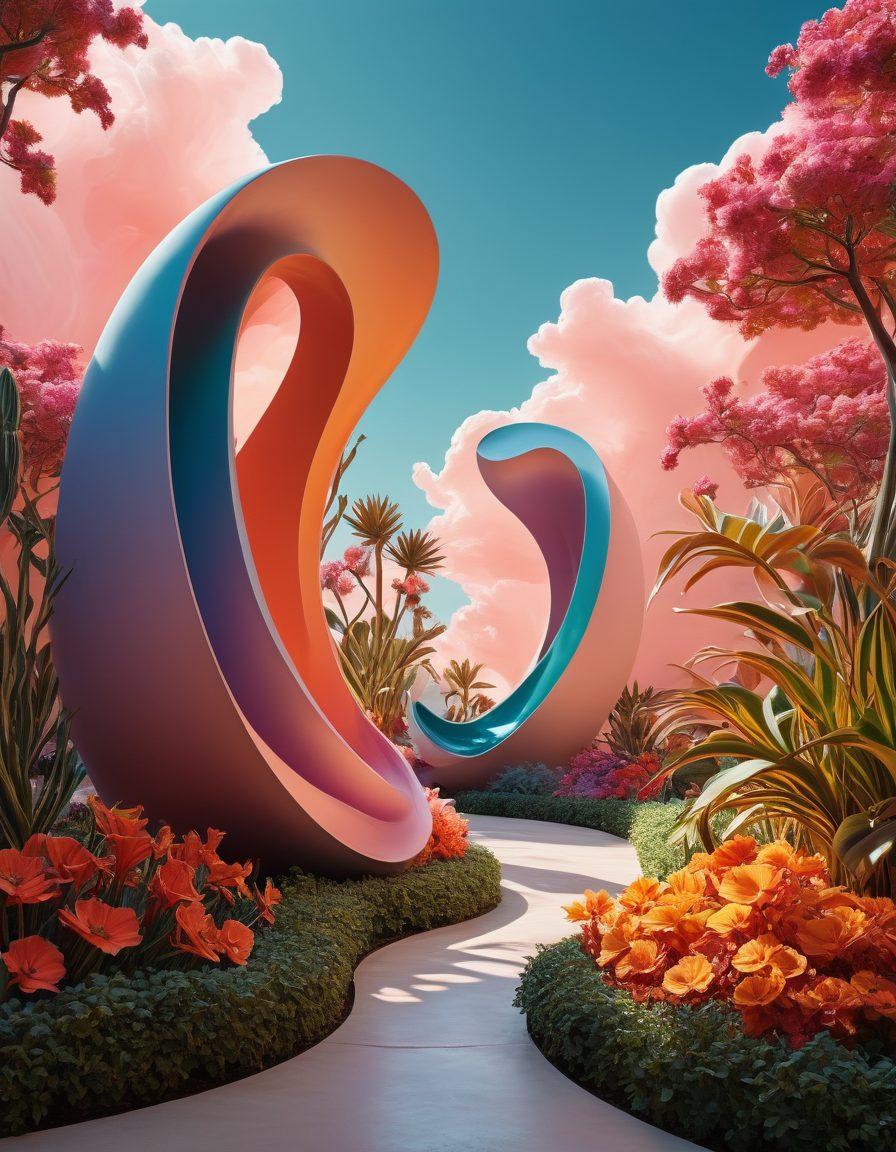
What is it about twisted and curved art forms that captivates the human spirit? Perhaps it's the way they defy traditional norms, inviting us to discover beauty in the unexpected. As we dive into this journey of exploring the elegance of twisted creativity, let us celebrate these sinuous shapes that stretch and bend our imagination. Picture a spiraled piece of sculpture that appears to dance in the air—doesn't it make you wonder about the possibilities of creativity that lie just beyond the straight lines of conventional art?
The world of curved art forms is a tapestry rich in texture and storytelling. From the fluid coiled lines of a twisted vase to the entrancing undulating curves of a modern painting, each piece speaks often to the heart and soul of its creator. Consider the intricate patterns of woven fabric, where each knotted and tangled thread can symbolize the complex nature of our lives. How does the art that is bent and contorted resonate with our own experiences of feeling entangled or fettered by our circumstances?
One of the most intriguing aspects of curved art forms is their ability to evoke emotion. Think about how a flexed metal sculpture can capture strength while simultaneously conveying vulnerability through its coiled design. It leads us to ponder—what stories do these intertwined shapes tell? As we gaze upon them, can we appreciate the beauty of imperfection and the notion that life isn’t always straight or predictable?
As we unravel the elegance of twisted creativity, let us admire the craftsmanship involved. Artisans skillfully loop and wind materials, taking simple components and transforming them into dynamic forms. Whether it's a cabled installation that fills a gallery or a bent wood piece that adorns our living room, the labor and love woven into these works make them nothing short of extraordinary. What are some of your favorite twisted creations that inspire you to think outside the box?
Finally, embracing the twist requires us to recognize the art of flexibility in our own lives. Just as the best artists manipulate their materials into timeless forms, we too can learn to adapt—embracing the deviations in our paths. When we encounter challenges, it can feel restrictive, but maybe that's merely an opportunity to create something new. As you reflect on your journey, what twists have shaped you, and how can you transform them into beautiful art that inspires others?
The Allure of the Bent: Discovering the Sinuous Beauty in Contorted Art
In the world of art, straight lines often symbolize clarity and order. But what happens when we step into the realm of the twisted and contorted? The allure of the bent beckons us to explore a world where curvatures dance, deviating from the conventional and inviting our imagination to roam free. This is where beauty takes on a new form; a place where longing intertwines with creativity, giving rise to pieces that are as complex as they are enchanting. Think of a winding river, its sinuous flow shaped by the land around it. Isn't it fascinating to ponder how such curvatures can evoke emotion?
As we delve deeper into contorted art, you're likely to encounter structures that seem coiled and wrung, or perhaps spiraled and looped into intricate designs. Artists around the globe have embraced these irregularities, reflecting the ebbs and flows of nature and human experience. Just picture a sculpture that appears to breath through its undulating lines, or a piece of woven fabric that speaks of stories entwined in its knotted fibers. These creations create an invitation; they ask us to touch, to feel, and to engage with art on a more visceral level. Isn't that something we all crave in this digital age?
Imagine walking into a gallery where each piece seems to tug at the threads of your mind, making you contemplate the narratives hidden within their twisted frames. Artists, like the Origami masters, infuse life into their creations, bending and flexing materials until they become something entirely other. They wind their art into cabled forms that capture light, encouraging viewers to change their perspective, and notice how beauty can thrive when freed from the constraints of rigidity. Could this perhaps be a metaphor for our own lives? When have you felt the most beautiful in your own twists and turns?
Contorted art beckons us not only to appreciate beauty but also to embrace the essence of complexity. Take a moment to reflect on the significance of being fettered, tangled, or ensnared by our experiences. Just like the art we admire, we too are products of our surroundings, molded by the curves of our journeys. This interconnectedness can be captivating; it suggests that the beauty of life often lies in its imperfections. What if the next time you feel stressed or overwhelmed, you try to find beauty in the chaos instead?
It’s in the world of the bent and entangled that we discover new language for art appreciation. The twisted and coiled shapes lend themselves to a wealth of potential narratives and personal connections. Such art forms challenge our rigid perspectives, urging us to untangle our thoughts and grief in the process. When we view the life around us as an intricate tapestry woven with dynamic patterns, perhaps we can learn to find joy in curves, flexibilities, and those unsolicited bends. After all, isn’t it the unexpected, the beautifully chaotic, that makes living truly fascinating?
From Spiraled Designs to Woven Masterpieces: Celebrating the Interwoven Nature of Art
Art, in its myriad forms, is a celebration of creativity, emotion, and expression. It invites us to explore the boundaries of imagination, reminding us of the beauty in imperfection and deviation. Have you ever found yourself captivated by a spiraled design or a knotted sculpture? These curvilinear and contorted art forms weave a narrative that goes beyond the visual; they beckon us to engage with their intricate rhythms and alluring complexities. The journey through twisted, curved, and flexed forms reveals not only the artist's intent but also the deeper connections we share with the materials and the world around us.
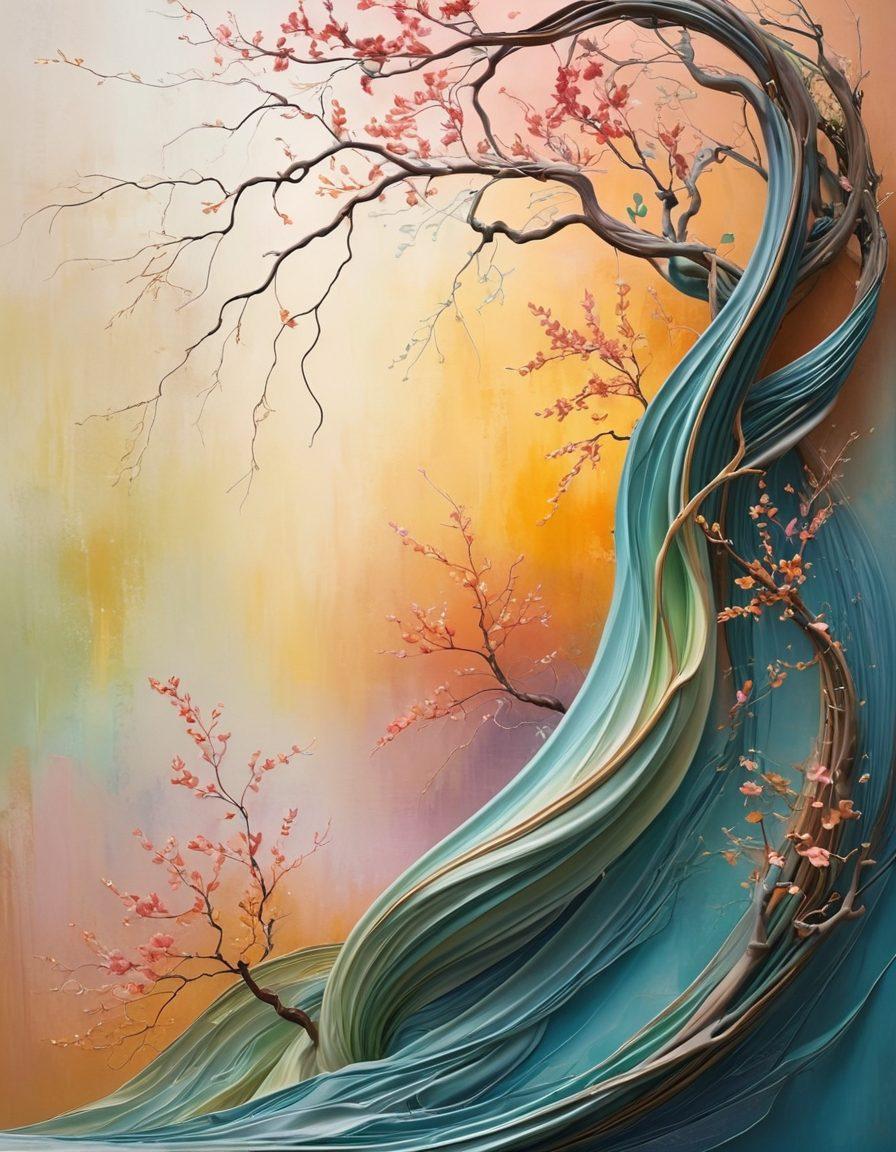
When we think about twisted art, it conjures images of intertwined vines, coiled branches, and the sinuous shapes of nature itself. Nature, with its undulating hills and intricate patterns, informs many artists as they explore the themes of bending and branching within their work. The beauty of art lies in its ability to reflect the raw complexities of the natural world. Take, for instance, the delicate yet forceful way a tree bends towards the light; it is a reminder that growth sometimes requires deviation from the straight and narrow. How do these organic forms influence your perception of beauty in art?
Consider the intricate artwork of woven textiles, which brings another dimension to our celebration of contorted creations. Knotted threads and tangled fibers create functional pieces that are at once practical and artistic. Each loop and twist symbolizes a connection—between the artist and their craft, the material and the message, and perhaps, the observer and their own interpretation. The act of weaving is not just a technique but a metaphor for life itself, where different strands come together to create something remarkable. Are there moments in your life where you felt intricately woven into the fabric of your surroundings?
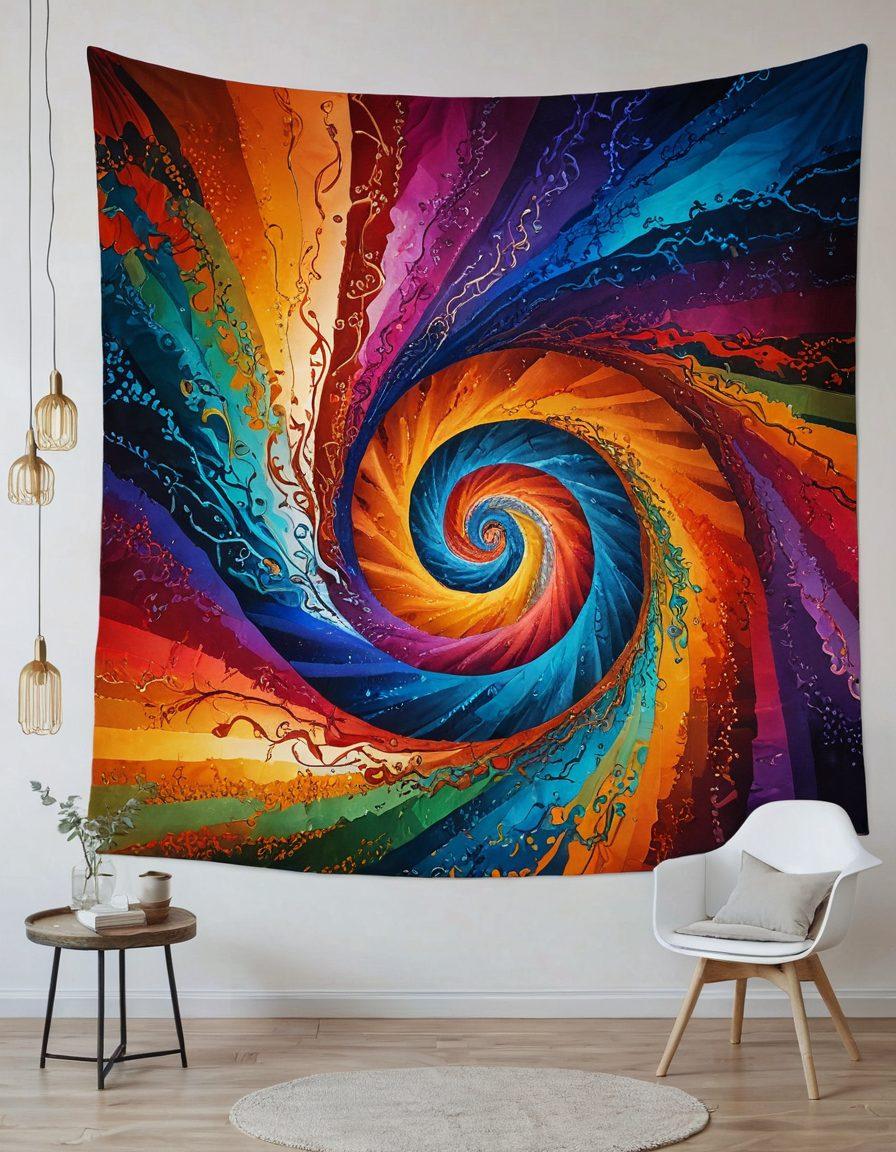
Let’s delve deeper into the idea of cabled artwork—the kind that draws us into a labyrinth of formations. From sculptures that seem to rise and fall like waves to paintings that spiral into a dance of color, the interplay of light and shadow creates a visual rhythm that enchants our senses. Interlacing forms encourage viewers to get closer, to lean in and discover patterns that are not immediately evident. It’s this act of discovery that makes curvy, contorted art so compelling: it asks us to engage actively with the piece and its narrative. What stories have you uncovered while exploring the depths of twisted forms?
At the end of the day, celebrating the interwoven nature of art is about recognizing the beauty in the ‘deviated’ and the ‘bent.’ The coil of a vine, the loop of a thread, or the spiraled design of a metalwork piece not only capture our eyes but resonate with our hearts. These shapes invite us to see beyond rigid structures and appreciate the undulating path that creativity takes. Just as art can be twisted and entangled, so too can our emotions and experiences. As we continue to explore the unique expressions of this beautiful world, let’s remain open to the unexpected, embracing every curve and coil along the way. How will you incorporate these intertwined concepts into your own artistic journey?